Everyday accessories are exposed to dust, sweat, moisture, and frequent handling. Over time, these factors can affect their appearance and condition, especially when they are used for commuting, traveling, sports, or outdoor activities. Regular cleaning and proper storage are important for keeping a bag looking presentable and functioning properly.
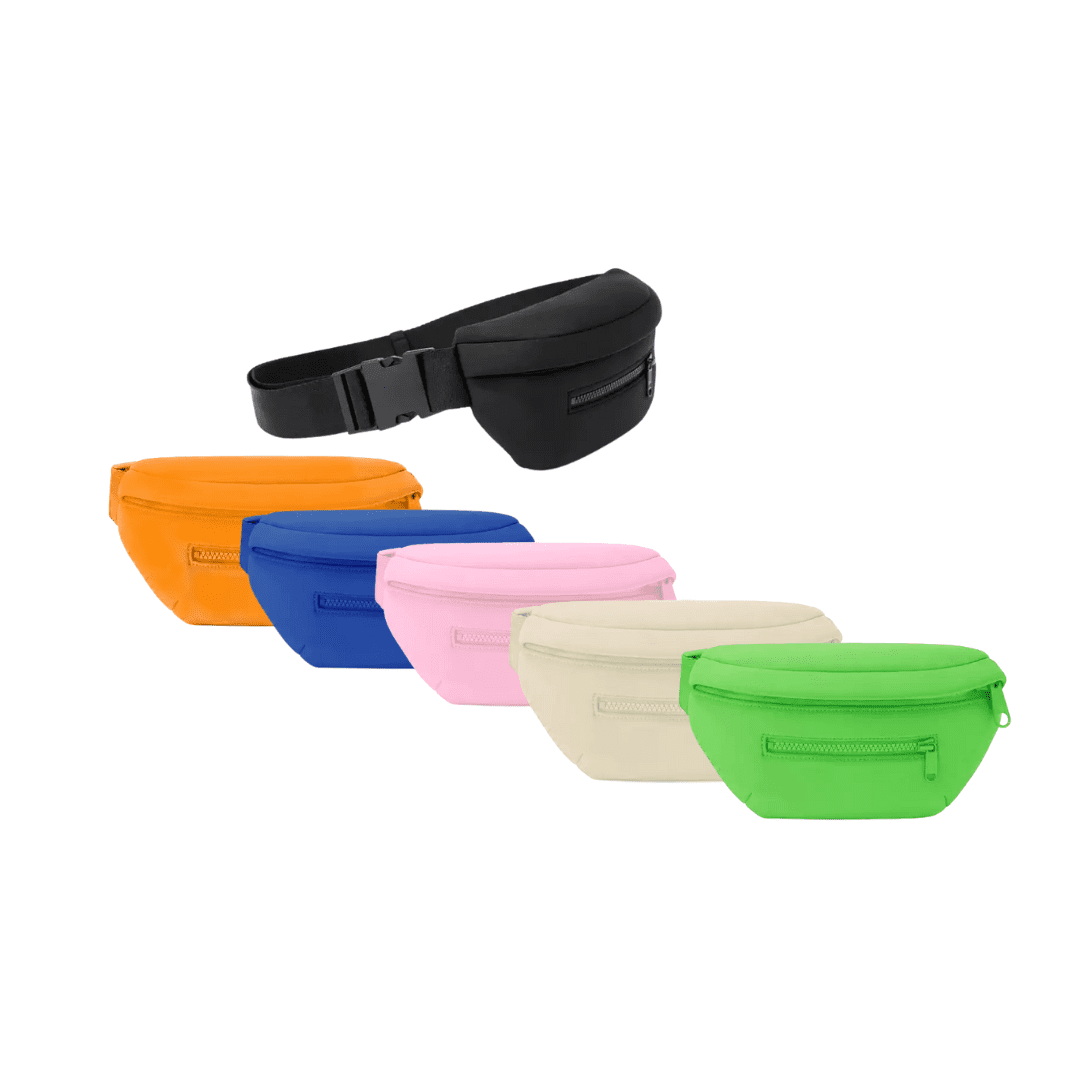
A Neoprene Waist Bag is made from a flexible synthetic rubber material known for its soft texture, cushioning, and resistance to certain environmental conditions. Although neoprene is relatively durable, it still requires appropriate care to maintain its appearance and usability. Following a few simple maintenance practices can help reduce unnecessary wear and extend the bag’s useful life.
Understanding the Cleaning Needs of Neoprene
Neoprene is commonly used in accessories because of its flexibility and relatively easy maintenance. Its surface can collect dust, dirt, and everyday stains, particularly when the bag is frequently carried outdoors.
Unlike some delicate materials, neoprene generally tolerates gentle cleaning methods. However, harsh detergents, excessive heat, and unsuitable cleaning techniques may affect its texture or overall condition.
Before cleaning, always check the manufacturer’s care instructions, as different products may use different neoprene grades, linings, adhesives, and finishing materials.
1. Remove Surface Dust and Dirt Regularly
The simplest way to maintain a neoprene bag is to remove surface dirt before it becomes difficult to clean.
Dust and small particles can accumulate around seams, zippers, and corners during regular use. Leaving them unattended may affect the bag’s appearance over time.
For routine cleaning:
- Empty all compartments before starting.
- Use a soft, clean cloth to wipe the exterior.
- Pay attention to seams and corners where dirt collects.
- Use a soft brush for areas that are difficult to reach.
- Avoid scrubbing aggressively, as excessive friction may damage the surface.
Regular light cleaning can reduce the need for more intensive washing.
2. Use Mild Cleaning Solutions for Stains
Occasional stains from food, drinks, or outdoor activities may require more attention. A gentle cleaning solution is generally preferable to strong chemical products.
Follow these steps when dealing with minor stains:
- Prepare lukewarm water with a small amount of mild soap.
- Dampen a soft cloth with the solution.
- Gently wipe the affected area without soaking the entire bag.
- Use a separate damp cloth to remove soap residue.
- Allow the material to air-dry completely.
If the stain remains, consult the manufacturer’s cleaning recommendations before trying stronger cleaning methods.
Avoid bleach, aggressive solvents, and abrasive cleaning products because they may affect the material, color, or attached components.
3. Clean the Interior Compartments
The inside of a waist bag also requires attention. Small items such as keys, coins, cosmetics, and electronic accessories can leave dirt or residue inside the compartments.
Start by removing all belongings and turning the bag carefully to release loose particles. Use a soft cloth or brush to clean the interior lining.
If necessary, wipe the lining with a lightly dampened cloth and a suitable mild cleaning solution. Avoid excessive moisture, particularly around stitched areas, zippers, and internal pockets.
Make sure the interior is completely dry before placing personal belongings back inside.
4. Allow Proper Air-Drying After Cleaning
Drying is an important part of neoprene maintenance. Storing a damp bag can encourage unpleasant odors and may affect certain attached materials.
After cleaning, gently remove excess moisture using a clean towel. Leave the bag in a well-ventilated area until it is completely dry.
Keep these precautions in mind:
- Avoid direct exposure to intense sunlight for extended periods.
- Do not use a hair dryer or high-temperature heating equipment.
- Avoid placing the bag near radiators or other heat sources.
- Make sure internal compartments are dry before storage.
Gentle air-drying helps preserve the material’s condition and reduces the risk of moisture-related problems.
5. Maintain Zippers, Buckles, and Straps
Cleaning the outer material is not enough to maintain the entire accessory. Zippers, buckles, and adjustable straps are also exposed to regular use and can become worn over time.
Zipper Care
Dirt and small particles may collect around zipper teeth and affect smooth operation. Remove visible debris with a soft brush and avoid forcing a zipper that feels stuck.
If a zipper continues to resist movement, check the manufacturer’s maintenance recommendations rather than applying an unsuitable lubricant.
Buckle and Strap Maintenance
Inspect buckles for cracks, loose connections, or signs of damage. Check the strap adjustment system to ensure it remains secure and functions properly.
Also examine the stitching around strap attachment points. These areas experience repeated tension and may require attention if loose threads or weakened seams appear.
6. Avoid Overloading the Bag
Carrying more items than a waist bag is designed to hold can place unnecessary pressure on its construction.
Excessive weight may strain the stitching, stretch the material, and affect zipper performance. It can also make the accessory uncomfortable to wear.
To avoid these problems, carry only essential belongings and distribute their weight sensibly across the available compartments.
Keeping the bag within its intended capacity can help preserve its shape and reduce unnecessary stress on its components.
7. Store the Bag Properly When Not in Use
Storage conditions can influence the long-term appearance of neoprene accessories. Leaving a bag in a damp, compressed, or excessively hot environment may affect its material and construction.
For better storage:
- Make sure the bag is completely clean and dry.
- Empty all compartments before putting it away.
- Store it in a cool, dry, and ventilated location.
- Avoid placing heavy objects on top of it.
- Keep it away from sharp objects that could damage the surface.
A suitable storage environment helps maintain the bag’s structure between uses.
8. Protect the Bag During Outdoor Activities
Outdoor activities can expose waist bags to mud, sweat, dust, and changing weather conditions. Taking a few precautions can reduce the amount of cleaning required afterward.
For example, avoid placing the bag directly on dirty or rough surfaces. After hiking, cycling, or exercising, check the exterior for accumulated dirt and clean it when necessary.
Neoprene offers some resistance to moisture, but this does not mean every finished bag is waterproof. Water can still enter through seams, zippers, and openings.
If the bag becomes wet, remove its contents and allow it to dry thoroughly before using it again.
9. Check for Early Signs of Wear and Damage
Regular inspection can help identify small problems before they become more serious.
Look for the following signs:
- Loose or uneven stitching
- Damaged zipper teeth
- Cracked or weakened buckles
- Fraying around strap connections
- Surface tears or material deterioration
- Persistent odors or moisture inside compartments
Addressing minor issues early may prevent additional damage. If a component requires repair, consult the manufacturer or a suitable repair professional.
Common Cleaning Mistakes to Avoid
Even durable materials can be affected by unsuitable cleaning methods. Avoid these common mistakes when caring for neoprene accessories:
Using harsh chemicals: Strong cleaning agents may affect the material’s surface or color.
Scrubbing too aggressively: Excessive friction can damage the outer finish.
Applying excessive heat: High temperatures may affect neoprene and other attached components.
Storing the bag while damp: Trapped moisture can contribute to unpleasant odors.
Ignoring internal compartments: Dirt and residue can accumulate inside even when the exterior looks clean.
Overloading the bag: Excessive weight can place unnecessary strain on seams, straps, and zippers.
Using gentle cleaning techniques and following product-specific instructions can help prevent these problems.
How Often Should You Clean a Neoprene Waist Bag?
Cleaning frequency depends on how often the bag is used and the conditions in which it is carried.
For everyday use, wiping away visible dirt periodically and checking the interior can be sufficient. Bags used during exercise, hiking, or outdoor activities may require more frequent cleaning because they are exposed to sweat and environmental debris.
A useful maintenance routine includes:
- After regular use: Check for dirt and remove visible surface debris.
- After outdoor activities: Inspect the bag and clean accumulated dirt.
- When stains appear: Use a suitable mild cleaning method.
- Before long-term storage: Clean and dry the bag thoroughly.
Rather than relying on a fixed cleaning schedule, adjust maintenance according to the bag’s actual condition.
Final Thoughts
Keeping a neoprene waist bag clean and well maintained does not require complicated procedures. Regular surface cleaning, gentle stain removal, proper air-drying, and suitable storage can help preserve its appearance and functionality.
It is equally important to care for zippers, buckles, straps, and stitching because these components contribute to the accessory’s overall durability. By avoiding harsh chemicals, excessive heat, and overloading, users can reduce unnecessary wear and enjoy their bag for longer.
Consistent maintenance is a simple way to protect an everyday accessory and keep it ready for commuting, traveling, exercise, and outdoor activities.